Marketing

Startup Website Builders: 6 Smart Picks for 2026

Waveon Team - 작성자

Waveon Team

0 min read

lean startup founders using website builder tools on laptops in modern coworking space

If you are trying to grow a startup in 2025, your website is no longer a “nice to have.” It is your first pitch, your demo, and often your sales rep. The best startup website builder tools for lean startups in 2025 are the ones that let you launch fast, test ideas cheaply, and change direction without begging a developer for help every week. The right choice has less to do with fancy animations and more to do with validation, learning, and cost discipline.

In this guide, we will focus on what lean founders actually need from a website, how to choose the right builder, and where AI tools now fit compared to freelancers or custom builds. You will see clear criteria, example tool stacks, and simple decision rules you can apply immediately—even if you are starting from a blank page today. If you are also exploring ways to generate focused campaign pages, it may help to pair your main site with a dedicated landing page generator such as an AI-powered platform like Waveon’s Vite coding environment.


What Lean Startups Need From a Website in 2025

When you work in a lean way, your website is not a digital brochure. It is an experiment rig. You use it to learn whether anyone cares about your idea, what message makes people click, and what offer gets them to leave an email or swipe a card. That is why the best startup website builder tools for lean startups in 2025 are the ones that support rapid learning rather than perfect polish. Your goal is to turn each visit into a data point, not to win design awards on day one.

founder updating startup landing page layout while checking website analytics data

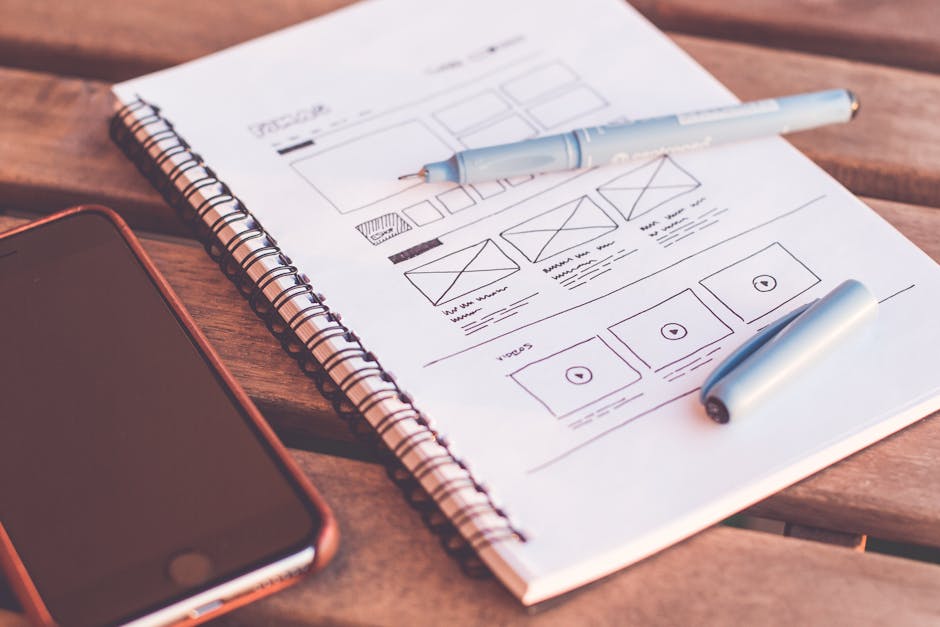
A simple landing page is usually enough to start. One clear headline explaining the value, a short subheading that adds context, a single primary call-to-action, and a form to collect emails or waitlist signups will take you much further than a half-finished multi-page site. For example, if you are testing a new B2B SaaS, a “Join the beta” form connected to an email tool gives you a way to capture interest long before the product is ready. This is classic lean validation: you do not need full product screenshots or a feature matrix to see if the promise resonates. If you plan to run multiple experiments at once, combining your main site with a no-code landing page generator can help you spin up variant pages quickly without touching your core structure.

This approach works because it keeps the cycle between customer feedback and website updates very short. If you talk to ten prospects and hear that your current value proposition is not landing, you need to be able to update your hero copy the same day. That is nearly impossible if you are relying on a developer for every small change, but it is trivial if your builder has a visual editor that a non-technical founder can handle. With most modern tools, you can log in, tweak your headline, adjust a section order, and publish in minutes, often faster than you could brief an external freelancer.

Analytics and basic tracking are the other half of this learning loop. You want to see which traffic sources convert, where people drop off, and which variants of your message or layout perform better. According to Stanford’s Web Credibility Project, over 75% of users say they judge a company’s credibility based on its website design and content presentation (source), so you cannot afford to guess blindly. A simple setup with Google Analytics 4 or a privacy-friendly alternative such as Plausible, plus conversion events on your main CTAs, already gives you enough data to prioritize improvements.

For a lean startup, this all comes down to three questions: how quickly can you get a page live, how easily can you edit it after real customer conversations, and how clearly can you see what is working. Any website builder you consider should be judged against those three needs first, long before you compare template aesthetics. Once those basics are covered, you can layer in more advanced tools like AI layout suggestions or automated A/B testing without slowing down your learning cycle.

To keep those three questions front and center as you evaluate options, it helps to use a simple checklist. You do not need to overcomplicate this; you just want a quick sanity check before you commit to a platform for the next year.

Validation Checklist for Lean Startup Websites Yes/No
You can publish a first version of your site within one weekend.
You can change headlines, CTAs, and layouts without a developer.
You can see where visitors come from and which CTAs they click.
You can easily duplicate pages to test new messages or offers.
You can connect forms to your email or CRM tools without exports.

If you can genuinely answer “yes” to most of these, your website builder will support the kind of fast feedback loops lean teams rely on. If not, you are likely to feel that every experiment is heavier than it should be, which slows learning and makes it harder to iterate your way to product–market fit.


Key Criteria for Choosing a Startup Website Builder

Choosing the best startup website builder tools for lean startups in 2025 is not about finding the most powerful platform on paper. It is about finding the tool that your team can actually use this week, without getting stuck. Ease of use, integration support, and reliability matter more than rare edge-case features that sound impressive but rarely get touched.

Ease of use and learning curve are usually the biggest deciding factors for non-technical founders. You probably do not have the time or headspace to spend two weeks watching advanced tutorials while investors wait for a link to your landing page. Visual drag-and-drop builders, AI-assisted layout suggestions, and in-editor copy hints can help you move from “idea” to “published” in a weekend. Many early-stage teams overestimate how much design flexibility they need and underestimate how much friction comes from a complex tool. A simpler platform that you can use daily is almost always better than a powerful one you avoid because it feels intimidating.

entrepreneur building startup website with no code drag and drop builder

Integration needs come next, and this is where you should think about your first six to twelve months of growth. Even in the earliest phase, you will want your website to talk to an email tool, an analytics platform, and possibly a payment provider if you are pre-selling or running a pilot. The integrations you should check for are usually simple: whether this builder can send form submissions to your email list tool without manual exports, whether it supports basic ecommerce or checkout flows, and whether you can easily add tracking scripts for analytics or advertising pixels. The global website builder platforms market reached about $2.18 billion in 2024, with strong growth as small businesses shifted away from custom builds to template and no-code tools (source), and a lot of that growth has come from tools that make these connections nearly automatic—which is exactly what you want as a lean team.

As you grow, reliability, support, and basic SEO control become non-negotiable. You do not want your site going down during a launch or a press mention. Uptime guarantees, a track record of performance, and responsive support channels matter more once you are spending money on ads or PR. On the SEO front, you should be able to edit page titles, meta descriptions, URLs, alt text for images, and basic schema settings. Web design statistics show that 88% of users are less likely to return after a bad user experience on a site (source), so performance and clarity eventually influence not just search rankings, but also behavior on the site itself. Good builders will give you compression, caching, and mobile responsiveness by default so you do not need an engineer to squeeze out acceptable load times.

Finally, do not forget long-term flexibility. Some extremely simple builders feel great on day one but become bottlenecks when you need custom components, gated content, or a more advanced blog. Others have more of a learning curve but save you from migrating later. Being honest about your roadmap—how far you expect to go on this first platform—helps you choose a builder that can stretch with you rather than trap you. If you already know you will be running many campaigns, experiments, and microsites, think about pairing your main platform with a dedicated landing page generator or an AI website builder so you can keep your core brand stable while still moving quickly on new ideas.

To quickly compare how different types of builders align with these criteria, the following table summarizes common trade-offs you will encounter when choosing a tool.

Builder Type Ease of Use for Non‑Technical Teams Design Flexibility & Customization Integration Depth (email, analytics, payments) Speed to First Launch Long‑Term Scalability for Growing Startups
Simple template-based builders Very high Low to moderate Moderate, usually via built-in options Very fast Moderate; may hit limits in complex setups
Advanced no-code builders Moderate once you learn basics High High, with more granular control Fast, after initial setup High; supports complex sites and flows
AI-first website builders Very high at the start Moderate, improved via editing Moderate; improving rapidly Extremely fast Moderate; may require migration later
Custom-coded websites Low without a dev team Very high Very high but dev-dependent Slow relative to no-code Very high but expensive to maintain

This comparison gives you a quick way to narrow the field. If you value getting live in a day and you have no technical support, simple templates or AI-first tools make sense. If you are planning more sophisticated experiments and content down the line, investing time in a more advanced no-code builder or a scalable platform early may prevent painful migrations later and will work well alongside specialized tools such as an AI landing page generator.


Most lean startups today start with no-code builders because they strike a practical balance: you get a professional site without committing to a full custom codebase. When people talk about the best startup website builder tools for lean startups in 2025, platforms like Webflow, Squarespace, and Notion-based site generators usually come up first for good reason. They are proven, widely documented, and flexible enough for most early-stage needs.

Tools in the Webflow category give you a high degree of design control without writing code directly. You work with a visual interface that still reflects HTML and CSS concepts, which means you can build highly customized layouts, animations, and component systems. This is ideal when your brand design is important to your positioning—for instance, a design-focused SaaS or a consumer app that lives or dies on first impressions. The trade-off is that there is more to learn, especially if you want fully responsive, nuanced layouts. Once someone on your team learns the basics, though, you can keep iterating in-house rather than handing off specs to a developer every time you want to move a button, and you can experiment with new landing pages more freely.

On the other side are simpler template-based tools such as Squarespace, Wix, or similar platforms. These focus on opinionated templates and guided setup. For many early marketing and landing page needs, that is not a downside. If your core goal is to share a clear value proposition, a bit of social proof, and a single conversion path, the built-in sections and patterns may be more than enough. Many bootstrapped founders launch their first version this way: pick a clean template, swap in your copy and images, connect a form and an email list, and go live. You can then invest in more custom design only after you have confirmed that the problem and audience are real, or when you are ready to move into a more specialized AI website builder or landing page generator.

clean startup landing page design created with website builder tools

There is also a category of tools that sit on top of content systems you may already use, like Notion. Services that turn Notion pages into websites essentially let you manage your content in a tool your team knows, then publish it as a public site. This is especially attractive for lean teams who already run documentation, product notes, or FAQs in Notion. You can draft your landing page, changelog, or help center there, and updates automatically flow to the live site. This reduces the friction of switching between multiple tools and encourages more frequent updates, which is exactly what you want in an iterative early-stage process.

The common pattern across all these options is that non-technical people can ship and maintain a credible website. Instead of locking yourself into a static brochure built once by an agency, you keep the site as a living document of what you are learning about your customers. When you combine these builders with focused tools for specific jobs—for example, an AI-driven landing page generator to rapidly test new campaigns—you get a flexible stack that grows with your startup.

You might also find Startup Website Builder Explained for SaaS MV… helpful.


AI Website Builders vs Freelancers and Custom Development

In 2025, one of the biggest shifts in this space is the maturity of AI website builders. These tools can generate page structures, design systems, and even placeholder copy based on a short description of your product. When you are evaluating the best startup website builder tools for lean startups in 2025, you are no longer just choosing between “DIY template” and “hire a developer”; you now have a middle path where AI handles much of the heavy lifting and you focus on refining messaging and offer.

startup founder generating landing page with AI website builder tool

AI builders are most valuable for speed and cost at the very early stage. They take your answers to a few prompts about your startup, generate a layout with relevant sections, fill in initial copy, and sometimes even produce on-brand images. For a founder who has not yet nailed messaging or design, this can get you from nothing to “something you can show people” in a single afternoon. The broader AI website builder market is expected to grow at a compound annual growth rate of around 25% through 2033 (source), which reflects how many teams are replacing their first version of a site with these AI-assisted flows. Platforms like Waveon’s AI Website Builder sit in this category, offering a way to move from idea to live page in minutes. If you are also looking to keep overall startup costs under control while choosing your toolstack, see how lean teams approach it in 7 proven ways startups reduce expenses without sacrificing growth.

There are situations, however, where a freelance designer or developer is worth the investment. If your product experience is complex, your brand needs to stand out strongly in a crowded category, or you require unusual flows (for example, multi-step onboarding or deep integrations with internal systems), a human specialist can design a more tailored experience. A designer can help you align visuals and messaging across your site, pitch deck, and product UI. A developer can create custom components or logic that are hard to achieve within a generic builder. Many startups use a hybrid approach: launch with a no-code or AI-assisted site to validate interest, then bring in freelancers when they have clearer requirements and some revenue or funding to support a more bespoke build.

A practical way to decide is to look at three factors: budget, timeline, and uniqueness of experience. If your budget is tight and you need something live this week, an AI builder or straightforward no-code platform is the sensible default. If you have a bit more runway, a longer timeline, and a product where the website itself must deliver a unique interactive experience, leaning toward custom design and development makes sense. In between, you can often start with an AI-generated site inside a flexible no-code builder, then slowly layer on custom work as your needs sharpen. If you know you will be running lots of campaigns, integrating an AI landing page generator early will make it easier to scale your experimentation without involving developers every time.

The key is to avoid over-buying complexity early. A lean startup does not need a custom design system and bespoke animations before the first ten customers have paid you. What you do need is a fast path to showing a credible, clear site to the right people and learning from their behavior and feedback. Starting with AI and no-code tools gives you that path while keeping your burn rate and decision overhead low.


Essential Features and Integrations for Early-Stage Growth

Regardless of the platform you choose, there are some features that every lean startup should have in place for early-stage growth. These are what turn your website from a static information page into a growth tool that captures demand and feeds your learning loop.

First, you need obvious and compelling calls-to-action. Every important page should make it very clear what you want the visitor to do next: join a waitlist, request a demo, start a free trial, or purchase a limited pre-order. Your forms should be simple, and you should only ask for the information you truly need at this stage—often just an email address and maybe one qualifier like company size or use case. A straightforward pricing page, even if your product is not fully live yet, helps filter out the wrong audience and sets expectations. This might be as simple as listing an expected price range or a “founding customer” offer that you intend to validate, and you can test different versions of this copy across multiple AI-generated landing pages if your builder supports it.

You might also find What is "Demo day"? helpful.

Marketing basics like SEO and blogging capabilities are worth setting up early even if you are not ready for a full content strategy. You want control over page titles and meta descriptions so you can test how different messages perform in search results. A lightweight blog or updates section gives you a place to share progress, answer common objections, and improve your search footprint over time. Email capture tools, such as popups for lead magnets or inline subscribe forms, help you turn casual visitors into a list you can contact again. Many small business statistics show how central a website is now; for example, data compiled by Wix indicates that a large majority of small businesses with websites use them to acquire new customers and that a professional site noticeably increases perceived credibility (source).

marketer analyzing startup website conversions and growth metrics on dashboard

Beyond content and capture, you should pay attention to testing and quality. As you add pages or tweak flows, it is easy to introduce small issues: broken links, misaligned forms, or layout problems on mobile. Codeless web testing tools and simple monitoring services can regularly check your key paths, like your signup and checkout forms, without requiring you to write test scripts. This is especially valuable once you start running paid campaigns; you do not want to discover a broken page after spending hundreds of dollars on ads. Even a basic uptime monitor and a habit of checking your core funnels weekly can prevent painful surprises.

All these elements—clear CTAs, lean signup flows, basic SEO, email capture, and simple testing—work together. They let you run experiments with your messaging, understand where traffic comes from and how it behaves, and keep your growth funnel functioning even as you move fast and break things elsewhere. If you want a deeper dive on converting visitors, you can pair this with a dedicated landing page optimization workflow that focuses specifically on copy, structure, and calls-to-action.


With the principles and trade-offs in mind, it helps to look at concrete setups that match different types of lean teams. Think of these as starting points; you can swap in equivalent tools based on your preferences, but the overall structure will still hold. These stacks represent realistic uses of the best startup website builder tools for lean startups in 2025 and can evolve as your product and team mature.

For solo founders or very small teams on a tight budget, a low-cost AI website builder paired with simple email and analytics tools is often enough to get off the ground. You might use an AI-assisted builder to generate your first landing page in an afternoon, customize the copy based on your customer interviews, and connect the built-in or embedded form to a lightweight email service such as MailerLite or ConvertKit. Analytics can be as basic as setting up Google Analytics 4 or a privacy-focused option and defining events for your main CTA. This combination gives you a way to drive visitors, capture leads, and see basic performance without any custom code or upfront design costs. You can launch, test messaging, and iterate for a few months before deciding if you need more flexibility.

For growing teams that expect to experiment with design and content more heavily, a balanced stack built on a flexible no-code builder like Webflow can make more sense. In this setup, you invest a bit more time in learning the editor, but you gain the ability to create customized layouts, reusable components, and more sophisticated interactions. You can integrate Stripe or similar services for simple payments, connect your forms to a CRM such as HubSpot or Pipedrive for lead tracking, and plug in third-party tools for scheduling demos or handling support. As traffic increases, you can introduce A/B testing tools and deeper analytics. Because your marketing team can still make many changes without engineering help, you keep the spirit of lean iteration even while your infrastructure becomes more advanced.

lean startup team planning website builder stack and migration roadmap

At some point, traction will force a conversation about migration. Maybe your initial builder lacks features you now need, or performance and SEO limitations are starting to hurt. This is where many startups move from a basic builder to either a more sophisticated no-code platform or to a custom-coded front-end. A useful rule of thumb is to consider migrating when you find yourself regularly bumping into hard limits: you are hacking around platform constraints, you are delaying experiments because the tool cannot support them, or you see clear revenue opportunities that require capabilities your current setup simply does not offer. It is also a good idea to plan migration when you have a window without major launches, so you can redirect traffic carefully and maintain SEO and analytics continuity.

Real examples from the last few years show the same pattern again and again. Many early-stage SaaS and DTC brands have publicly shared stories of launching on a simple Squarespace or Wix site in a weekend to validate demand, then graduating to Webflow or a custom Next.js front-end once they raised a seed round and needed tighter integration with their app, analytics, and CRM. In these stories, the founders do not regret starting simple; they credit the initial quick launch with helping them learn what actually mattered to customers before they spent serious money on design and engineering. The same logic applies if you choose to start on an AI website builder or landing page generator: the fastest path to learning is usually the right one.


Conclusion: Choosing the Right Builder for Lean Growth

By this point, it should be clear that “the best website builder” is not a universal answer; it is a match between your stage, your skills, and how quickly you need to learn from real customers. For a lean startup in 2025, your website’s main job is not to look impressive on a giant monitor—it is to help you test offers, capture demand, and adapt your story without friction.

If you are pre-launch or just validating an idea, it makes sense to start with an AI-assisted or simple template-based builder. These tools let you ship a credible one-page site in a day or two, plug into basic email and analytics, and start gathering data and conversations. You can always refine design later; what you cannot recover is the time lost debating pixels before you have your first ten serious users.

As you gain traction, you can graduate to a more flexible no-code platform that gives you deeper control over layout, SEO, and integrations. That is the stage where reusable components, multi-page structures, and tighter CRM connections start to matter. You might keep an AI website or landing page generator in the mix as your “experiment engine,” spinning up campaign pages quickly while your main site stays more stable.

Only once you have clear evidence that a more custom experience will pay off—in conversion rate, brand perception, or complex flows—does it usually make sense to bring in freelancers or move toward a fully custom build. By then, you are not guessing; you are translating what you already know works into a more polished, scalable implementation.

To turn this into action, you can take three simple next steps. First, run your current or planned website setup through the lean validation checklist in this article and be honest about the gaps. Second, pick one builder that fits your next six to twelve months, not your dream future state, and commit to getting a live page out within a week. Third, connect at least one analytics tool and one email or CRM system on day one so that every visit starts teaching you something.

From there, your stack can evolve naturally. You might layer on A/B testing, adopt an AI landing page generator like Waveon’s Vite coding platform for faster campaign pages, or prepare a future migration to a more advanced builder. What matters most is that your website keeps serving as a fast feedback loop between your ideas and your customers. If you keep that goal in focus, the choice of tool becomes much simpler—and you will spend more time building the business, not just the site.

👉 📚 AI Landing Pages & Website Builders — Complete Guide

👉 📚 AI & No-Code Website Builder Guide — See All Posts

Learn more about No-code insights

Subscribe Waveon Newsletter

*Type your email address

Waveon Banner Image

Other articles

AI & No-Code Website Builder Guide: Platforms, Tools, and Startup Use Cases - Marketing | Waveon
Marketing

AI & No-Code Website Builder Guide: Platforms, Tools, and Startup Use Cases

A practical guide to AI website builders, no-code platforms, and startup website tools. Compare approaches for ecommerce, B2B, and MVP launches.

AI Landing Pages & Website Builders: A Complete Guide - Marketing | Waveon
Marketing

AI Landing Pages & Website Builders: A Complete Guide

Compare AI landing page tools and no-code website builders. Find the right approach for campaigns, brand sites, and startup launches.

Marketing Strategy & Growth Guide: Psychology, SEO, and Product Launch - Marketing | Waveon
Marketing

Marketing Strategy & Growth Guide: Psychology, SEO, and Product Launch

A practical guide to marketing strategy covering consumer psychology, personalization, SEO, product launch, and emerging channels like video and chatbots.

Digital Marketing Strategy & Automation: A Complete Guide for SMBs - Marketing | Waveon
Marketing

Digital Marketing Strategy & Automation: A Complete Guide for SMBs

A comprehensive guide to digital marketing strategy and automation for small businesses. Covers marketing automation, content marketing with AI, and growth strategy.

Startup Website Builders: 6 Smart Picks for 2026 - Marketing | Waveon
Marketing

Startup Website Builders: 6 Smart Picks for 2026

Compare startup website builders for lean teams that need fast launches and clear messaging. Find the best fit for your first site.

No-code website for small business lead generation: a practical guide - Marketing | Waveon
Marketing

No-code website for small business lead generation: a practical guide

![Small business owner reviewing no-code website analytics dashboard on laptop for lead generation](https://images.pexels.com/photos/7552374/pexels-photo-7552374.jpeg?auto=compress&cs=tinysrgb&h=650&w=940) If you run a small business, you probably know you “should” have a website—but you might not be sure how to turn that website into actual leads and customers. A no-code website for small business lead generation is a practical way to bridge that gap, even if you have no technical skills and a limited budget. Instead of treating your site like an online brochure, you can treat it like a simple, always-on sales assistant that collects contact details, qualifies prospects, and books conversations for you. ![Entrepreneur viewing responsive no-code lead generation website on laptop and smartphone](https://images.pexels.com/photos/5900034/pexels-photo-5900034.jpeg?auto=compress&cs=tinysrgb&h=650&w=940) In this guide, you will see what makes a no-code lead generation site different from a typical small business website, which tools you actually need, and how to design pages, forms, and popups that convert. We will also look at how to connect everything to your CRM and email tools, and how to track and improve results over time so your site brings in steadily better leads. If you are interested in more focused funnel pages, you may also want to explore how a dedicated landing page builder can support this kind of setup, or how a broader AI website builder fits into your overall marketing stack. ## What a No-Code Lead Generation Website Means for Small Businesses Many small business websites are essentially digital business cards. They list services, share a bit of background, maybe show some photos, and include a generic “Contact us” page. These sites can help people verify that you exist, but they rarely push visitors to take a next step. A no-code website for small business lead generation is built around a different question: “What do I want visitors to do right now, and how do I make that as easy as possible?” On a basic informational website, you usually see a home page with a broad message, a few service pages, an about page, and contact details buried in the footer or a separate contact page. There might be several different links and distractions on every page, from social icons to blog archives. In contrast, a focused lead generation website is organized around clear calls to action, such as “Book a free consultation,” “Request a quote,” or “Get a price estimate in 60 seconds.” Forms are placed prominently, often above the fold on key pages, and repeated in logical places throughout the site so there is always a visible next step. Instead of being passive, the whole experience is designed to guide a visitor from curiosity to commitment. ![No-code landing page design on screen showing clear call to action for small business leads](https://images.pexels.com/photos/16587313/pexels-photo-16587313.jpeg?auto=compress&cs=tinysrgb&h=650&w=940) This lead focus matters because visitors do not spend much time deciding. Various studies show that website visitors form an opinion in milliseconds and often leave within seconds if they do not see value quickly. When you have a sharp message and a clear action button, you give them a reason to stay just long enough to convert. That is why landing pages that focus on a single offer tend to convert better than generic pages. One [HubSpot analysis](https://blog.hubspot.com/marketing/landing-page-stats) found that the average landing page conversion rate across industries is around 5.9%, and many small businesses are far below that simply because their sites are not set up to capture leads. For small businesses, the “no-code” side is just as important as the “lead generation” side. Hiring a developer or agency to build a custom site can easily run into thousands of dollars, and every small change—like tweaking a headline or testing a new form—requires another request and sometimes another bill. A no-code website builder lets you make those changes yourself with drag-and-drop tools, pre-built templates, and simple integrations. This is especially useful when you are moving quickly, testing offers, or working with a small marketing budget. When you can update your own pages and forms in minutes, you are much more likely to keep your website aligned with your current priorities and to experiment with new landing page ideas. There are some situations where hiring a developer or agency still makes sense, like when you need complex custom features or tight integration with in-house systems. But for most small business lead generation needs—service descriptions, lead capture forms, booking widgets, and basic automation—a no-code builder is usually a better fit. It reduces up-front costs, shortens timelines from months to days, and makes ongoing improvements realistic for a small team. If you later decide to expand into more sophisticated experiences, you can often layer additional tools on top of the same foundation, rather than starting over. The specific goals you set for your no-code lead gen site will depend on your type of business. Local service providers, such as plumbers or consultants, usually care about getting people to call, book an appointment, or request a quote. Ecommerce businesses might focus on email signups and first orders. Many B2B businesses want demo requests or discovery calls. A [Growth List round-up](https://growthlist.co/lead-gen-statistics/) noted that roughly a quarter of small businesses do not even know their lead conversion rate, which means they are probably not using their site strategically. When you define simple goals like “10 quote requests per week” or “20 new email subscribers per month,” your no-code website becomes a tool you can actually measure and improve, not just a box you checked years ago. To make these differences more concrete, it helps to compare a typical “brochure” website with a focused no-code lead generation website side by side. | Aspect | Typical Small Business Site (Brochure) | No-Code Lead Generation Site | |------------------------------|-----------------------------------------------------------------------------------|-----------------------------------------------------------------------------------| | Main purpose | Provide basic information and contact details | Capture leads and start sales conversations | | Primary call to action | Generic “Contact us” link, often only on one page | Clear, specific CTAs like “Get a quote” or “Book a free consultation” on key pages | | Lead capture placement | Single contact form buried on a separate page | Short forms or booking widgets placed above the fold and repeated strategically | | Update and testing process | Requires developer or agency for most changes | Business owner or marketer edits pages and tests ideas using no-code tools | | Measurement and improvement | Little or no tracking beyond total visitors | Simple lead goals, tracking of conversion rate, and regular content tweaks | When you look at your own site through this lens, it becomes easier to see where you are closer to the left column and what you might change to move toward the right. If your marketing also relies heavily on paid ads or social media, you can connect this thinking to a dedicated landing page builder approach and create separate campaign-specific pages that plug into the same no-code infrastructure. ## Essential Features of a No-Code Website for Small Business Lead Generation Once you think of your site as a lead engine rather than a brochure, you can see which features really matter. A no-code website for small business lead generation does not need to be complex, but it does need a few essentials working together: clear messaging, trust, easy ways to respond, and simple tools to organize what comes in. On each key page, your first job is to make your value proposition obvious. Visitors should be able to understand in a sentence or two who you help, what you do for them, and why you are a good choice. Headlines like “Stress-free bookkeeping for busy freelancers” or “Same-day AC repair in Austin, guaranteed” tell people immediately whether they are in the right place. Under that, a short subheading can add a concrete benefit or time frame. Many high-converting landing pages studied by [Unbounce](https://unbounce.com/blog/) and others follow this simple pattern of headline plus supporting explanation. Right next to that message, you want a clear call to action and an easy way to respond. That usually means a visible button that leads to a form or booking widget, or even an embedded form above the fold. The form itself should be short and focused. Name, email, and one or two key details (like service needed or preferred time) are often enough to start a conversation. You can ask more questions later by phone or email. When forms are too long or confusing, people simply abandon them and your no-code website for small business lead generation ends up underperforming. ![User filling out simple lead capture form on small business website](https://images.pexels.com/photos/7821577/pexels-photo-7821577.jpeg?auto=compress&cs=tinysrgb&h=650&w=940) Trust signals fill the gap between “This sounds good” and “I am willing to share my details.” For a small business, that can be testimonials with names and photos, star ratings from Google or Yelp, logos of recognizable clients, or mentions of certifications and guarantees. According to various small business website studies, adding social proof like reviews is strongly associated with higher conversions; one 2025 compilation of small business website stats reported that sites using video tend to see noticeably higher engagement and conversion than those without, suggesting that richer proof builds confidence ([source: Marketing LTB](https://marketingltb.com/blog/statistics/small-business-website-statistics/)). You do not need fancy production values—a simple customer quote with a headshot and a short video walkthrough of your process can go a long way. As your traffic grows, more advanced elements like multi-step forms and targeted popups can help you capture leads that would otherwise slip away. Tools similar to Growform or OptinMonster are built around this concept. A multi-step form breaks a longer questionnaire into small, easy steps. The first screen might just ask for a ZIP code and what service someone needs, and the second asks for contact information. Because people have already invested a little effort, they are more likely to complete the form. Many form tools report significantly higher completion rates when using multi-step layouts compared to a single long form, and landing page stats from platforms like Unbounce show that reducing friction at each step can drive meaningful gains in signups. Popups and slide-ins, when used thoughtfully, can also increase the number of leads your no-code website captures. For example, a time-delayed popup might offer a “Free 10-point roof inspection checklist” in exchange for an email address on a roofing site. An exit-intent popup can appear when someone moves their cursor toward the browser’s close button, offering a last-chance discount or a short quote form. While poor popups can be annoying, well-timed ones can convert visitors who were interested but not quite ready to take the main action. Here, borrowing patterns from specialized landing page builder guides can be helpful, since those tools are often built around disciplined popup and form testing. Real-time tools like chatbots add another layer of responsiveness. No-code chatbot platforms such as Chatling, Landbot, or similar tools let you add a chat widget that can answer common questions and collect contact details without you having to sit at your computer. If someone asks for pricing information at 10pm, the bot can reply with a general range and then ask if they would like a personalized quote. When they say yes, it can ask for their email and a few details, then send that lead straight to your inbox or CRM. Tutorials from chatbot providers and conversational design case studies show that these bots can significantly increase engagement on key pages because they meet visitors where they are, in conversational form, rather than asking them to hunt for the right link. The important thing is not to add every possible feature, but to add just enough to make it easy for visitors to say “yes” in whatever way feels most natural to them. Some will prefer a form, some a chat, and some a phone call. A well-designed no-code website for small business lead generation makes all of those paths visible and collects whatever information you need to follow up quickly and professionally. ## Step-by-Step: Building Your No-Code Lead Generation Website If you are starting from scratch—or overhauling a site that is not working—it helps to follow a simple sequence. The process is less about technical skill and more about making clear decisions up front so you do not get stuck tweaking colors for weeks. The first step is choosing a no-code builder that fits your budget and must-have features. Many small businesses do well with all-in-one platforms that combine pages, forms, email, and basic CRM in one place. Others prefer a dedicated landing page tool like [Unbounce](https://unbounce.com/) combined with a separate CRM or email service. When you evaluate options, think practically: Can you create pages using drag-and-drop? Are there templates for service businesses or lead capture? Does it integrate with the CRM or email tool you already use? And does the monthly cost make sense given your traffic and revenue? For a small local business with only a few offers, picking a simpler tool that you will actually use is often better than choosing an enterprise-grade platform you find overwhelming. Once you have a builder, you can plan a basic site structure. For a focused no-code website for small business lead generation, you do not need dozens of pages. A straightforward structure usually includes a home page, one or more dedicated landing pages, and a thank-you page or confirmation page for each form. The home page acts as a hub, giving a clear overview of what you offer and directing visitors to the main calls to action, such as “Get a free quote” or “Book a consultation.” Landing pages focus on specific offers or audiences. For instance, a landscaping company might have separate landing pages for “monthly lawn care packages” and “one-time garden design,” each tailored to that audience. Thank-you pages serve two purposes: they confirm that the form worked, and they give you a chance to suggest a next step, such as downloading a guide, watching a short video, or following you on social channels. A simple real-world example might be a small accounting firm that used to have a generic site listing all services. When they switched to a no-code builder, they created a home page that explained, in plain language, that they help freelancers and small agencies simplify bookkeeping and taxes. Then they added two key landing pages: one for monthly bookkeeping packages and another for annual tax filing. Each page had a simple “Get a custom quote” form and a clear list of what was included. They also set up a thank-you page that explained what would happen next and offered a short checklist to prepare for their call. Within a few months, they were able to see which page generated more inquiries and adjust their pricing and messaging accordingly. After mapping pages, you can set up the core elements that capture and route inquiries. In your builder, create forms for your main actions: quote requests, consultations, and email signups. Configure each form to send submissions somewhere useful: to your email inbox, your CRM, or both. If you use chat widgets or chatbots, add them to key pages like your home page and landing pages and decide what questions they should ask before handing off a conversation. Many no-code platforms also let you set up simple automations, such as sending an automatic confirmation email whenever someone completes a form, or assigning new leads to a specific team member based on what service they selected. ![Business owner connecting no-code website forms to CRM for lead management](https://images.pexels.com/photos/38519/macbook-laptop-ipad-apple-38519.jpeg?auto=compress&cs=tinysrgb&h=650&w=940) Routing inquiries properly is one of the biggest differences between a casual site and a serious lead generation setup. In a casual setup, form submissions might gather in an inbox that nobody checks regularly. In a more deliberate setup, each new lead is tagged, logged, and given a clear owner. The same [lead gen stats](https://growthlist.co/lead-gen-statistics/) that highlight how many small businesses lack visibility into their conversion rates also point out that speed of follow-up has a major impact on closing deals. A basic rule of thumb is that responding within an hour is far better than waiting a day or two; the right no-code automations make that kind of responsiveness feasible, even for small teams. Because this is a guide-style topic, it helps to summarize the build process as a simple checklist you can follow or adapt to your own situation. 1. Define one or two primary goals for your website, such as “get quote requests” or “book consultations.” 2. Choose a no-code website builder that fits your budget, integrates with your tools, and feels easy enough that you will actually use it regularly. 3. Map a lean site structure with a focused home page, one or more offer-specific landing pages, and clear thank-you pages. 4. Create short, purpose-driven forms or booking widgets and place them prominently on relevant pages instead of hiding them on a single contact page. 5. Connect your forms and chat widgets to your CRM or email tool so every new lead is captured, tagged, and sent to the right person. 6. Set up at least one simple automation, such as an instant confirmation email and an internal notification for each new inquiry. 7. Test the full flow from a visitor’s perspective, from first click to thank-you page and follow-up email, fixing any friction you notice. Using this checklist as a rough roadmap keeps you moving forward in a straight line instead of getting lost in details like font choices and button shapes before the basic lead flow is working. Later, if you decide to add more advanced capabilities—like AI-assisted page creation or dynamic content—you can explore how an AI website builder layers on top of the same structure without throwing away what you have already built. ## Designing Pages, Forms, and Popups That Convert Visitors into Leads Once the structure is in place, design decisions determine how many of your visitors actually convert. The good news is that you do not need to guess what works; tools like Unbounce have published years of landing page data and best practices that you can adapt to your no-code website for small business lead generation. Effective landing pages tend to have a few things in common: a focused headline, one primary call to action, minimal distractions, and content that addresses the specific questions and objections of the visitor. If you try to promote every service you offer on a single page, you dilute your message and make it harder for visitors to decide what to do. It is usually better to pick one service or offer per page and write a headline that speaks directly to the outcome your target reader wants. For example, “Book more qualified jobs with done-for-you Google Ads management” is clearer than “Digital marketing solutions.” Below the headline, you can add short sections that explain who this is for, what is included, and what results they can expect. Testimonials and before/after examples help bring these promises to life. Many marketers see higher conversion rates when they simplify navigation on landing pages, removing top menus and extra links that pull people away from the main action. A [HubSpot landing page report](https://blog.hubspot.com/marketing/landing-page-stats) noted that about a third of marketers saw higher landing page conversion rates in 2023 compared to the year before, in part because they focused more on clarity and testing small changes rather than redesigning everything at once. These same habits translate directly to any no-code website for small business lead generation. Form design is a critical piece of this puzzle. People are more likely to start a short, simple form than a long, detailed one. If you need to collect more information to give an accurate quote, consider using multi-step forms. The first step might ask for only one or two easy pieces of information, such as “What service do you need?” and “When do you need it?” Once they click “Next,” you can gently ask for name and contact details, and finally any optional questions that help you qualify the lead. This approach leverages the “foot in the door” effect: once someone has started, they are more inclined to finish. Many form tools and CRO studies report double-digit lifts in completion rates when long forms are broken into logical steps, which is significant when every lead is valuable. Popups and slide-ins can be designed in the same user-friendly way. Instead of interrupting visitors the moment they arrive, set popups to appear after a reasonable delay or on exit intent. You might offer a valuable resource in exchange for an email, like a homeowner’s maintenance checklist, or a small incentive, like a 10% discount on a first service. On product or pricing pages, a slide-in offering “Have questions? Ask us” can encourage people to start a chat or request a callback. Tools similar to OptinMonster have shown through user case studies that targeted campaigns—aimed at specific pages or behaviors—generally perform better than generic, site-wide popups because they feel more relevant and less intrusive. ![Marketer analyzing website conversion rate and lead generation metrics on screen](https://images.pexels.com/photos/12969403/pexels-photo-12969403.jpeg?auto=compress&cs=tinysrgb&h=650&w=940) A practical way to design for conversion is to walk through your own pages as if you were a first-time visitor. Ask yourself: Is it obvious what this business does and who it serves? Do I know what I am supposed to do next? If I am interested but not ready to commit, is there a softer option, like downloading a guide or asking a question? By adjusting headlines, cleaning up layouts, and refining forms and popups based on these questions, you can gradually turn your no-code website for small business lead generation into a consistent source of inquiries. If you want a deeper dive on the page-level details, pairing this with a dedicated guide to landing page builders can help you make even more focused improvements. ## Connecting Your No-Code Site to CRM, Email, and Support Tools A lead is only as valuable as your ability to follow up. That is where integrations come in. A strong no-code website for small business lead generation does more than collect emails; it feeds them into systems that help you track, nurture, and serve those leads over time. Integrating your forms and chatbots with a CRM is one of the most impactful steps you can take. When a visitor fills out a quote form or asks a question in your chat widget, those details can be sent directly to your CRM, where a new contact is created, tagged with the source (for example, “Website – AC repair form”), and assigned to the right person on your team. This means you can see at a glance how many leads are coming from your site, which services they are interested in, and where they are in your pipeline. Over time, you can identify patterns such as which landing pages produce the most closed deals, not just the most form fills. Email marketing connections add another layer of leverage. When someone submits a form, you can automatically add them to a specific email list or segment and trigger one or more automated messages. That might start with a simple confirmation email letting them know you received their request and when to expect a reply. From there, you could send a short sequence of helpful emails that answer common questions, share case studies, and remind them to schedule a call if they have not already. Research from providers like [Mailchimp](https://mailchimp.com/resources/email-marketing-statistics/) and others shows that timely follow-up emails after a signup or inquiry tend to have high open and engagement rates, and they help keep your brand top-of-mind while a prospect is deciding. For businesses that provide ongoing service or support, linking your website to shared inboxes or help desk tools keeps everyone aligned. If a customer submits a support request through a form on your site, that message can create a ticket in your help desk system. If that same person later fills out a form asking about an upgrade, your sales team can see their support history and respond with appropriate context. This shared view of each lead and customer reduces dropped balls and prevents people from having to repeat themselves when they talk to different team members. The technical side of these integrations is usually simpler than it sounds, especially with modern no-code builders. Many platforms have direct connections to popular CRMs and email tools, or you can use an automation service like [Zapier](https://zapier.com/) or [Make](https://www.make.com/) to connect them without writing code. The key is to decide on a basic workflow: which form goes to which list or pipeline stage, who gets notified, and what happens next. Once that logic is in place, your website shifts from being a passive entry point to an active participant in your lead management process. If you are already exploring how an AI website builder fits into your stack, think about these integrations early so you do not have to rewire everything later. ## Tracking, Testing, and Improving Lead Generation Results The last piece of the puzzle is measurement. If you do not track how your no-code website is performing, you will fall into the trap mentioned earlier: running a site without any idea of your conversion rate. That is common—one study cited in the [Growth List lead generation statistics](https://growthlist.co/lead-gen-statistics/) found that about 25% of small businesses are unaware of their lead conversion rates—but it is avoidable with a bit of setup. Start by installing basic analytics, such as [Google Analytics](https://marketingplatform.google.com/about/analytics/), and setting up conversion tracking for your main actions. In many tools, that can be as simple as marking your thank-you pages as conversion goals or adding event tracking to your form submissions. The goal is to answer a few simple questions: How many people visit my site? Which pages do they see? Which pages lead to the most form submissions or bookings? And which traffic sources—such as Google search, social media, or paid ads—produce those conversions? Once you can see this data, you can start running small, focused tests. A/B testing, where you compare two versions of a page or element, is built into many landing page and popup tools like Unbounce and opt-in focused platforms. You might test two different headlines, two different images, or a short vs. longer explanation of your offer. The important thing is to change one major element at a time and give the test enough traffic to reach a useful conclusion. Industry benchmarks like the [Unbounce conversion rate report](https://unbounce.com/average-conversion-rates-landing-pages/) show that while average landing page conversion rates hover in the low-to-mid single digits, the top performers often double or triple that by iterating on copy and structure rather than chasing gimmicks. Beyond quantitative metrics, you should also gather qualitative feedback about lead quality. Sit down regularly with whoever handles sales or service and review a sample of recent leads from your website. Are they the right type of customer? Do they understand what you offer, or are there consistent misconceptions? Are they providing enough detail for you to respond quickly with a useful quote? If many leads are unqualified or confused, that is a sign your on-page messaging or form questions need adjustment. For instance, adding a required budget range field or clarifying which locations you serve can filter out people who would never be a good fit. You can also refine your follow-up workflows based on this feedback. If you notice that leads who receive a same-day response convert at a much higher rate than those who wait two days, you might adjust your automations and staffing to make rapid follow-up the default. If people often ghost after an initial quote, a simple reminder email a few days later, or a short FAQ email addressing common concerns, can bring some of them back. Each of these tweaks is manageable within a no-code ecosystem, especially if you keep your tools minimal and your goals clear. ![Small business team planning no-code lead generation website strategy around a laptop](https://images.pexels.com/photos/7688173/pexels-photo-7688173.jpeg?auto=compress&cs=tinysrgb&h=650&w=940) Over time, this habit of tracking, testing, and refining will compound. Instead of hoping your site works, you will know roughly how much traffic it needs to generate a certain number of leads, and how changes to copy, design, and workflow impact those numbers. At that point, a no-code website for small business lead generation stops being just a project you completed and becomes an asset you manage. When you are ready to go deeper, pairing this approach with resources on landing page builders and AI website builders will give you a broader set of tools to keep improving results. ## Bringing It All Together A no-code website for small business lead generation is not about having the fanciest design or the most tools plugged in. It is about turning your site into a simple engine that consistently nudges visitors toward clear, measurable actions—like requesting a quote, booking a call, or joining your email list—and then making it easy for you to follow up. If you boil this guide down to the essentials, there are a few ideas to keep in mind. First, move away from the “online brochure” mindset and decide what you actually want visitors to do. Second, use a no-code builder so you can manage pages, forms, and small experiments yourself instead of waiting on a developer. Third, keep each key page focused: a clear promise, strong social proof, and one primary call to action, supported by short, low-friction forms or booking tools. Fourth, connect everything to your CRM and email so every inquiry lands in the right place and gets a timely response. Finally, keep an eye on your numbers and be willing to test small changes rather than chasing complete redesigns every few years. You do not have to implement everything at once. A practical way forward is to pick one page and one goal to improve over the next couple of weeks. For most small businesses, that is the home page or a core service page with a single, clear action like “Get a quote.” Rewrite the headline so it spells out who you serve and what result you deliver, tighten the copy below it, simplify your form to the minimum useful fields, and make sure submissions trigger a clear thank-you page and an automatic confirmation email. Once that flow feels solid, you can extend the same pattern to additional landing pages and start experimenting with multi-step forms, popups, and basic A/B tests. If you are already using a landing page or AI website builder, the next step might simply be to connect the dots: make sure those tools are integrated with your CRM, that your analytics is tracking form completions properly, and that someone on your team owns follow-up within a set time frame. From there, improving your lead generation becomes an ongoing habit rather than a one-off project. The tools will keep evolving, but the core approach—clear offers, easy actions, and consistent follow-through—will keep working for your business for a long time.

No-Code Ecommerce Platforms: 7 Best Picks for 2026 - Marketing | Waveon
Marketing

No-Code Ecommerce Platforms: 7 Best Picks for 2026

Explore no-code ecommerce platforms for brands that want speed without developers. Compare features, tradeoffs, and choose faster.

No-Code B2B Website Platforms: 6 Best Options - Marketing | Waveon
Marketing

No-Code B2B Website Platforms: 6 Best Options

Compare no-code B2B website platforms for localization, buyer journeys, and faster launches. Find the right fit for your team.

Startup Launch Platforms: 7 Best Picks for 2026 - Marketing | Waveon
Marketing

Startup Launch Platforms: 7 Best Picks for 2026

Review startup launch platforms for 2026 and compare launch pages, waitlists, and campaign tools. Choose the best setup for launch day.

Learn more about No-code insights

Subscribe Waveon Newsletter

*Type your email address